







Search Results for: bean-saving tips
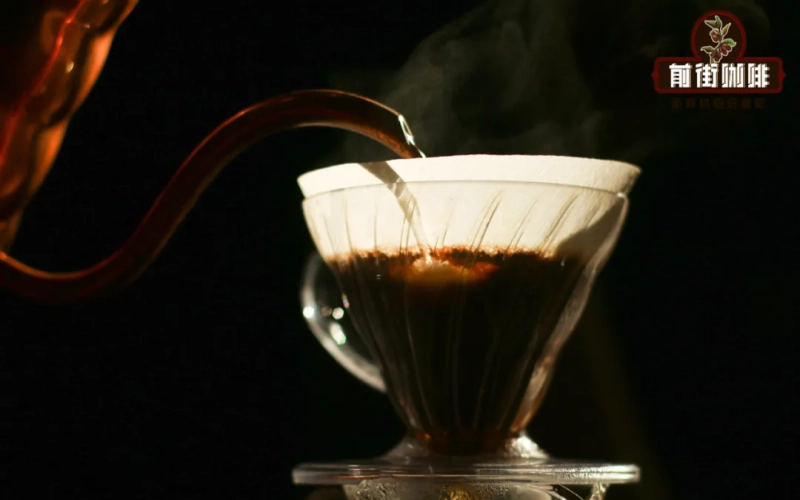
How to adjust brewing when less than 15 grams of coffee beans remain? Analysis of small-dose extraction techniques and bean-saving ideas for conical drippers
Many times, when a bag of coffee beans is nearing its end, there are always less than 15 grams of scattered beans left, which is neither enough for the usual single-serving dose nor enough to blend with other beans to make up the number. If you don't want to waste them, you need to find a way to fully extract the value from these few beans. When the dose is on the low side, the brewed coffee tends to be under-extracted, because the coffee bed becomes thinner, the amount of water poured decreases, and the contact time between hot water and coffee grounds is shortened. If a conical dripper is used, bypass water can also easily dilute the coffee liquid. In response to these difficulties, Front Street shares two approaches in this article to help everyone brew a good cup even with less than 15 grams of coffee beans. [more…]
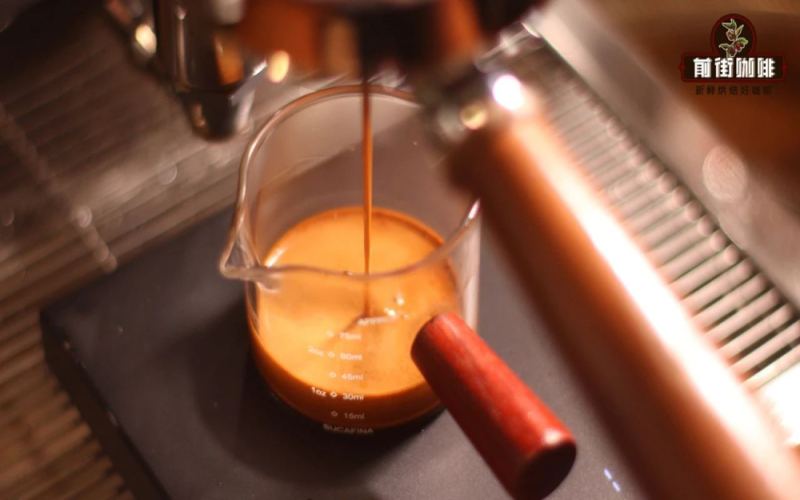
The Art of Making Americano and a Guide to Healthy Drinking: Espresso Extraction Adjustments and an Analysis of Black Coffee's Benefits
The essence of Americano is the combination of espresso and water, so the quality of a cup of Americano depends on the extraction quality of the espresso. However, adjusting espresso parameters often consumes a large amount of beans and time, and even professional baristas need multiple attempts when facing new beans. This article will systematically explain how to quickly and economically find suitable espresso parameters, analyze the adjustment logic of the three major variables—grind size, dose, and yield—and share pairing suggestions for Front Street specialty blend coffee beans. At the same time, the article will also introduce the benefits of black coffee and healthy drinking methods, helping coffee lovers enjoy deliciousness while also taking care of their health. [more…]
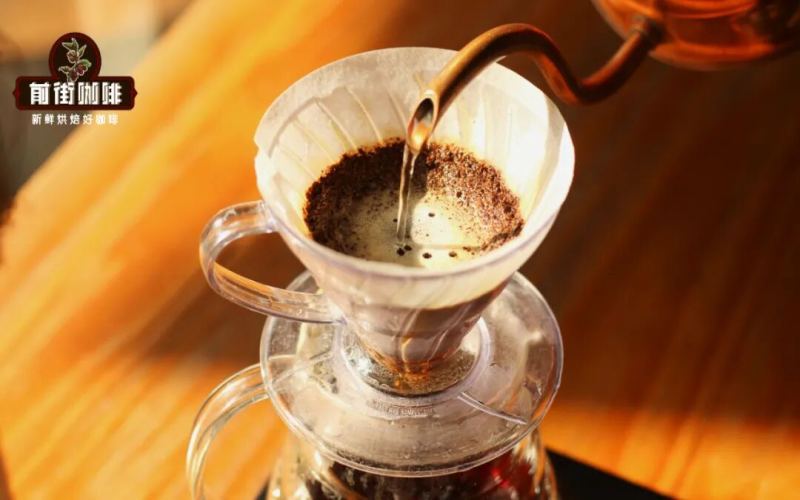
Pour-Over Coffee Brewing Methods | Does Multi-Stage Pouring Make Pour-Over Coffee Taste Better? How to Do Staged Pouring When Making Pour-Over Coffee?
In yesterday's post, Front Street mentioned that one of the advantages of pour-over coffee is its high level of controllability. During the brewing process, we can adjust the pouring method based on the actual situation, so that the coffee's flavor does not stray from being delicious. This statement is not unfounded; many techniques can help us do [more…]
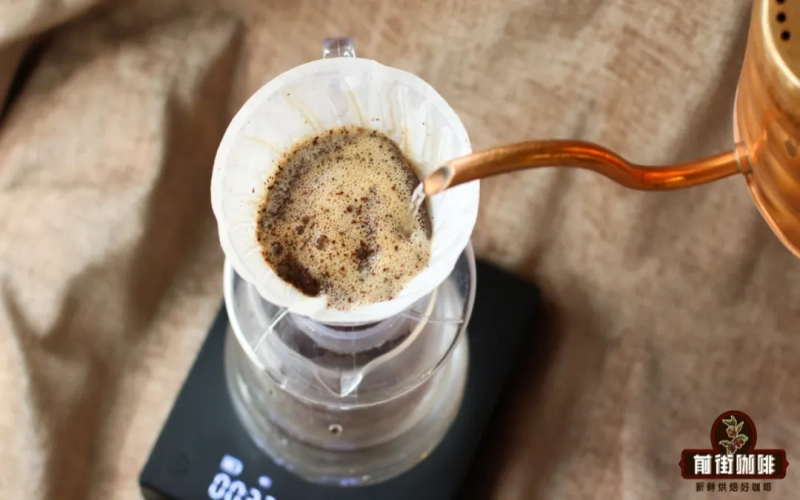
What Are the Principles and Advantages of Pulse Pouring in Pour-Over Coffee? A Full Analysis of Water Ratios and Flexible Adjustment Methods
In the practice of pour-over coffee, staged pouring is a widely used technique, yet the principles behind it and the scenarios in which it applies are often overlooked. Drawing on Front Street Coffee's brewing experience, this article systematically outlines the three major advantages of staged pouring: extending extraction time, improving extraction efficiency, and avoiding bypass water. At the same time, using concrete examples, the article explains how to flexibly adjust the number of pouring stages according to variables such as grind size, water temperature, coffee dose, and bean density. Whether you are a beginner just getting into pour-over or an enthusiast hoping to refine your technique, you can gain practical reference ideas from it to make each cup of coffee's flavor expression more stable and fuller. [more…]
Key Variables That Determine Espresso Flavor and a Complete Guide to Making Americano
The soul of an Americano lies in the quality of its espresso, yet dialing in espresso parameters often gives coffee lovers a headache. Drawing on the hands-on experience of Front Street Coffee, this article systematically breaks down the core variables that shape espresso flavor—grind size, dose, and yield—and offers a step-by-step tuning method to help you quickly find your ideal extraction solution at home. It also provides practical guidance on working backward from flavor to adjust parameters, along with the standard method for making iced Americanos and several health benefits of drinking Americano coffee, making it a worthwhile read for anyone looking to refine their espresso skills. [more…]

Starbucks Rolls Out New Card Tipping Feature in North America, Creating Awkwardness for Both Baristas and Customers
Starbucks recently launched a new tipping feature in the North American market, allowing customers who pay by card to tip baristas at checkout. However, this move has sparked widespread dissatisfaction among baristas, who find it awkward to ask customers whether they want to leave a tip. As early as 2014, Starbucks had introduced an electronic tipping feature through its mobile app, but this latest rollout on in-store card payment terminals has once again pushed tipping culture into the spotlight. Customers are torn over whether to tip, and employees question whether the company should simply raise wages rather than rely on customer gratuities. This article will outline how the tipping system specifically works, the reactions from various parties, and Starbucks' official response and rollout plans, while also taking you through the history of its mobile payment tipping. [more…]

Analysis of the Reasons for Weakened Steam in Espresso Machines: How to Deal with Clogged Steam Wands and Key Points for Daily Cleaning
When frothing milk with an espresso machine, if the steam becomes progressively weaker, it doesn't just hurt efficiency—it also seriously degrades the quality of the milk foam. In fact, the problem usually lies with the steam wand tip: residual milk scale clogs the small holes, preventing steam from flowing out smoothly. This article will break down the reasons for weak steam in detail, and walk you through step by step how to unclog the tip, soak and clean it, and what maintenance details to watch for in daily use, helping your espresso machine restore powerful steam and effortlessly produce fine, delicate milk foam. [more…]
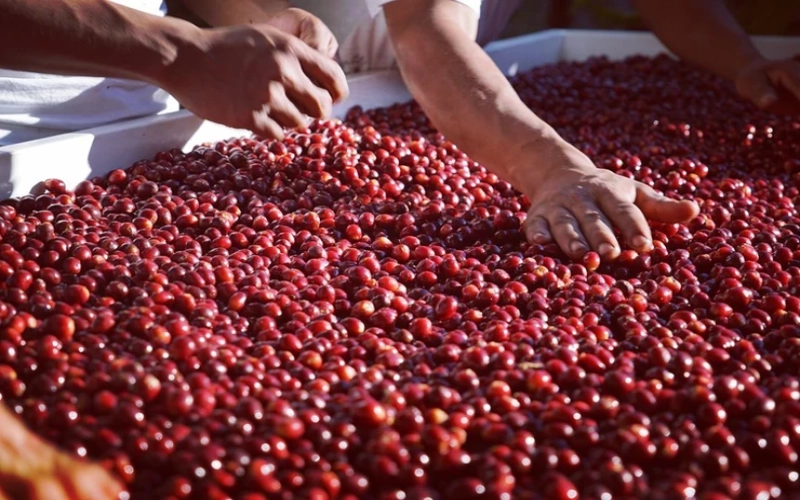
A cup of Hacienda La Esmeralda Green Tip Geisha pour-over is 60 yuan; Front Street Coffee shares the brewing parameters for ASD-processed Geisha.
Geisha coffee's value has soared since Hacienda La Esmeralda in Panama won the BOP competition in 2004, and Elida Estate's Green Tip Geisha set a new BOP record in 2018 with 94.66 points, sweeping both the natural and washed categories. This Green Tip Geisha, grown at 1,900 meters and processed using anaerobic slow-dry natural methods, what does it actually taste like? Front Street Coffee has brought it into its everyday pour-over menu at 60 yuan a cup. This article begins with the history of Geisha's rise to fame, sorts out the difference between Green Tip and Bronze Tip, explains what makes the ASD processing method unique, and includes Front Street's complete tested pour-over parameters to help you brew a cup of Elida Geisha with clearly layered floral and fruity notes. [more…]

Starbucks mistakenly collected over 30,000 yuan in tips from customers; refund checks bouncing prompts police involvement
A couple who explicitly chose not to leave a tip at Starbucks were charged an exorbitant $4,444.44 (about 30,264 yuan) because they didn't check the bill, maxing out their credit card and forcing them to cancel a trip to visit family in Thailand. The store initially refused a refund, then agreed to send a check that couldn't be cashed; after police intervened, Starbucks quickly reissued the check and refunded the full amount. The incident has raised concerns about point-of-sale system glitches and how businesses handle such matters. This article walks you through what happened and the findings of the investigation. [more…]
The Flavor Profile and Historical Origins of Panama Geisha Coffee Beans: A Detailed Explanation of the Differences Between Green Tip and Red Tip Varieties
Geisha coffee traveled from the primordial forests of Ethiopia to the world stage, enduring decades of obscurity before its transformation. In 2003, Hacienda La Esmeralda entered it into the Best of Panama competition, and it shot to fame overnight, not only breaking green bean auction records but also forcing organizers to split the competition into Geisha and non-Geisha categories. This article will trace Geisha's varietal origins, explain the differences between green-tip and red-tip Geisha, and focus on two Panamanian Geishas on Front Street Coffee's bean list—Hacienda La Esmeralda Green Label and Finca Deborah Savage Series—taking you through the growing region's terroir, processing methods, and brewing suggestions for a comprehensive understanding of this coffee king's unique charm. [more…]
Panama Elida Green Tip Geisha Price and Pour-Over Parameters Explained: Flavor Characteristics and Brewing Recommendations
Geisha coffee rose to fame after Hacienda La Esmeralda in Panama won the BOP competition in 2004, and its price has been climbing ever since. This article will start with the historical origins of Geisha, focusing on the Green Tip Geisha from Elida Estate in Panama—a legendary bean that set a record of 94.66 points at the 2018 BOP. Front Street Coffee will share the flavor profile of this bean, the characteristics of the Anaerobic Slow Dry (ASD) processing method, and why the powder-to-water ratio should be adjusted to 1:16 when brewing. In addition, it will explain the price difference between Elida Geisha in-store and regular pour-over, and provide complete pour-over parameters for reference. [more…]
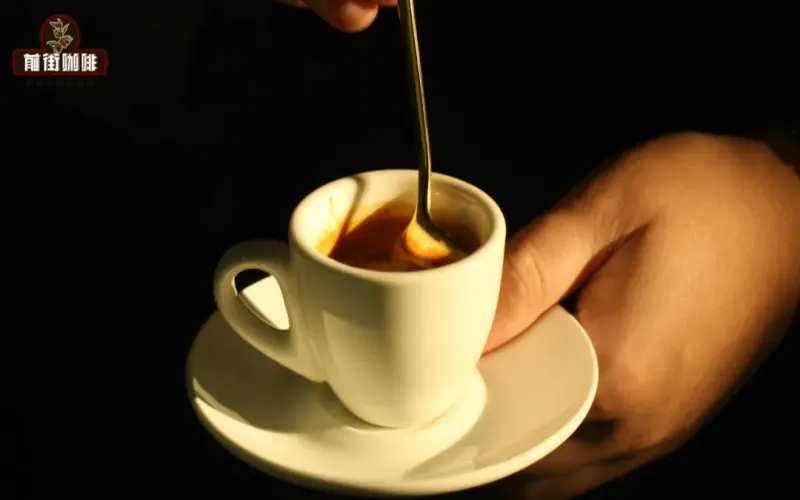
Where does espresso flavor come from? How to choose espresso beans? Five tips to teach you how to taste Espresso
Espresso often leaves a first impression of being "bitter," which puts off many first-time tasters. But those who truly know how to appreciate it can taste layers and pleasure in this small cup of coffee. From the perspective of Front Street, this article systematically sorts out the three major advantages brought by espresso's pressurized extraction—Crema, rich lipids, and ultra-high concentration—and shares five practical tasting tips: first rinse your mouth with water, stir to blend the oils, smear the oils around the rim of the cup to adapt, take small sips in several rounds, and choose Italian-style beans with a medium roast. At the same time, it introduces how Front Street's classic blend, with a combination of Mandheling, Brazil, and a small amount of Robusta, presents a chocolate-hazelnut profile that is strong but not bitter, helping you more easily enjoy a cup of espresso. [more…]
Exploring the BOP Champion Estate in Panama: Where Does the Exquisite Flavor of Elida Green Tip Geisha Come From?
Elida Estate is one of the most prestigious coffee estates in Panama's Boquete region and a frequent winner of the Best of Panama (BOP) competition. The estate sits at one of the highest cultivation altitudes in the country, with more than half of its land incorporated into Volcán Barú National Park. Its unique microclimate, combined with the estate owner's relentless dedication to harvesting and processing, together produce the unforgettable flavor profile of Green Tip Geisha. This article takes you deep into Elida Estate's history, geographical environment, variety composition, and processing philosophy, and recommends the Elida Green Tip Geisha from Front Street Coffee, so you can experience the distinctive charm of this top-tier Panamanian coffee. [more…]
A Detailed Explanation of Black Tea Grading: How to Distinguish First, Second, and Third Grades and a Comparison of Chinese and Foreign Standards
As a fully fermented tea, black tea does not have a globally unified grading system; instead, it varies by origin and standard. This article begins with the grading methods for Chinese black tea, explains how leaf size and granularity affect the grade, and compares the differences between domestic and international standards. It also explains the commercial nature of labels such as "Special Grade" and "Premium," as well as professional terms like "tea tips" and "golden needle tips." The article also mentions well-known varieties such as Keemun black tea and Congou black tea, as well as the origins of Indian and Sri Lankan black tea. By understanding this knowledge, coffee enthusiasts can also view the relationship between tea quality and grade more rationally. [more…]
The Complete Guide to Loose Leaf Tea Brewing: Water Temperature, Time, Flavoring Tips, and an Analysis of Representative Tea Producing Regions
To enjoy a truly good cup of tea, start by mastering the correct way to brew loose-leaf tea. This article will walk you through choosing the right equipment, controlling water temperature and steeping time, and how to enhance flavor with sugar, lemon, mint, and other seasonings. In addition, we'll introduce you to China's four major tea-producing regions and their representative teas, and share tips for making iced tea. Whether you're a complete beginner or a seasoned tea lover, the practical techniques and buying advice in this article—including recommendations for Front Street Coffee tea bags and samplers—will help you easily brew tea at a professional level and say goodbye to settling for tea bags. [more…]

Judging Milk Foam by Sound: Practical Tips for Using the Steam Hiss to Gauge Froth Thickness and Density
When steaming milk, the sound made by the steam wand actually holds important clues for judging the condition of the milk foam. Many people practicing latte art easily run into problems such as foam that is too thin, too thick, rough, or separated, and one of the keys to solving these problems lies in the "hiss~ hiss" sound made during milk steaming. This article starts from the principle of steam intake, explains the milk foam states corresponding to different sounds, and, through an experiment comparing short bursts of hissing with prolonged hissing, explains how to use the length of the sound to control the amount of air intake, ultimately producing ideal milk foam that is fine, smooth, highly fluid, and suitable for latte art. The article also retains Front Street Coffee's related recommendations and address information, making it suitable for coffee enthusiasts to refer to during daily practice. [more…]
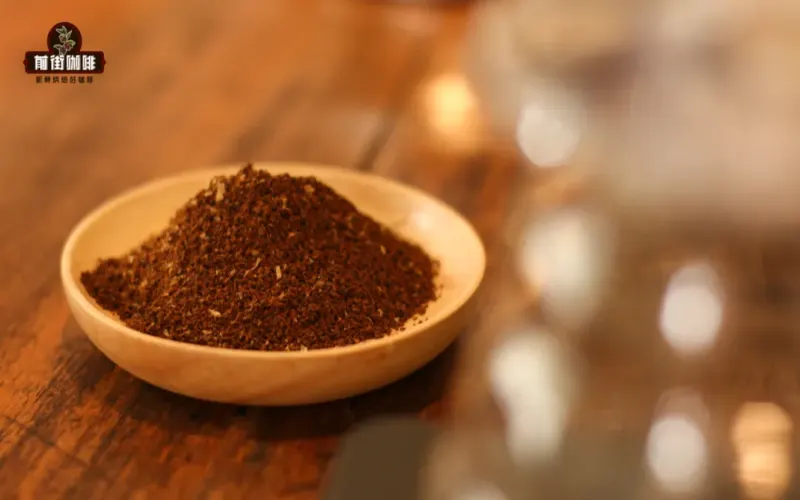
What Is the Difference Between Freshly Ground and Pre-Ground Coffee? The Principles Behind Drip Bag Coffee and Tips for Brewing a Delicious Cup
They're both coffee grounds, so why do some people insist it has to be freshly ground? What are the real differences between freshly ground and pre-ground coffee? And how exactly is drip bag coffee made? From the perspective of Front Street, this article breaks down one by one the essential differences between freshly ground coffee and pre-ground coffee, explains the critical impact of freshness on flavor expression, and further introduces the birth process of drip bag coffee as well as the brewing tips that make it taste better—helping coffee lovers avoid detours in their daily choices and brewing. [more…]
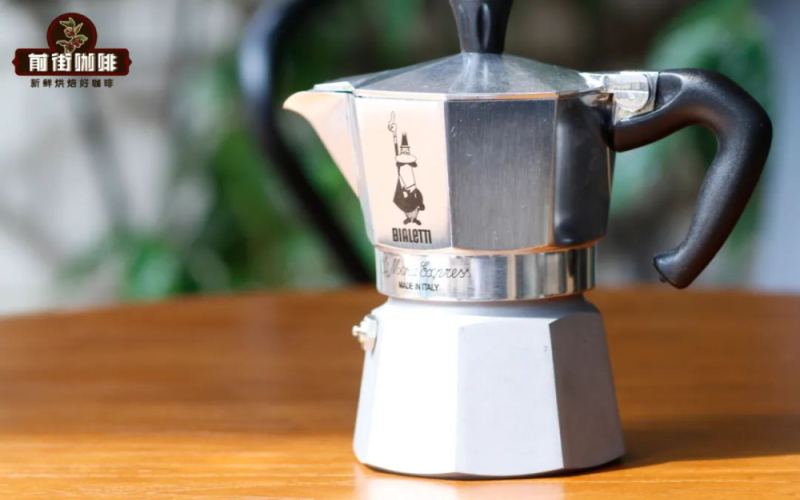
The Complete Moka Pot Guide: Step-by-Step Instructions, Tips, and an In-Depth Look at Pros and Cons
Since its debut in 1933, the moka pot has become the go-to entry-level choice for countless coffee lovers thanks to its compact convenience and rich brew. Yet controversy around it has never ceased: can it extract ideal crema like an espresso machine? And which coffee beans suit it best? This article systematically walks through the moka pot's operating steps and practical tips, compares its fundamental differences from coffee machines in crema performance, and objectively analyzes its pros and cons. At the same time, Front Street Coffee offers specific bean recommendations for the different flavor profiles of medium-dark and medium roasts, helping you consistently brew either silky, full-bodied coffee or fruit-forward, aromatic coffee with your moka pot. [more…]

Latte Art from Beginner to Advanced: A Full Breakdown of Pouring and Design Techniques Plus Practice Tips
Latte art is what draws many people into the world of coffee, but how long does it actually take to master? In this article, Front Street Coffee shares the core principles and practical details of latte art, starting from the two main actions of integration and drawing, breaking down key elements such as height control, the timing of returning the cup, the use of force, the offset of the landing point, and the finishing technique, and offering four practical practice tips to help enthusiasts avoid detours and quickly get the hang of basic patterns like hearts, leaves, and tulips, and even take on more difficult combination patterns. [more…]

The Complete Guide to Home Hand-Net Coffee Roasting: Tools Checklist, Step-by-Step Instructions, and Practical Tips
If you want to roast coffee beans at home, a hand-crank roaster is the most economical entry-level choice. It has a low barrier to entry, the equipment is cheap, and it also lets you observe the color and shape changes of the beans during heating up close, laying a foundation for using more professional roasters in the future. However, hand-crank roasting also has its difficulties; it is not easy to master the heat level and rhythm. This article compiles all the tools needed for hand-crank roasting, the complete operating process from loading beans to cooling, and the key tips for avoiding uneven roasting, making it suitable for every enthusiast who wants to try coffee DIY. Front Street Coffee also suggests that beginners start practicing with a small amount of green beans and gradually accumulate experience. [more…]